Denial: The Giant You Never See Coming
Why the most dangerous enemy in your recovery
is the one you can’t spot
This post is part of our Basic Training! Stage 1 series.
“Welcome to Stage 1: Operation Purity”
Every addiction has a giant standing guard in front of it, and it isn’t the sin itself. It’s denial — your own mind’s ability to convince you that you don’t actually have a problem.
Why denial is so hard to fight
Here’s what makes denial uniquely dangerous: you can’t fight what you can’t see. A slave who doesn’t know he’s enslaved has no motivation to seek freedom. If you’re convinced you don’t really have a problem, why would you ever change?
See if any of these sound familiar: I can stop anytime I want. This is the last time. I’m not hurting anyone. Everybody does it. These aren’t just excuses — they’re the vocabulary of denial, and nearly everyone caught in addiction has used some version of them, often without realizing it.
A closed system that protects itself
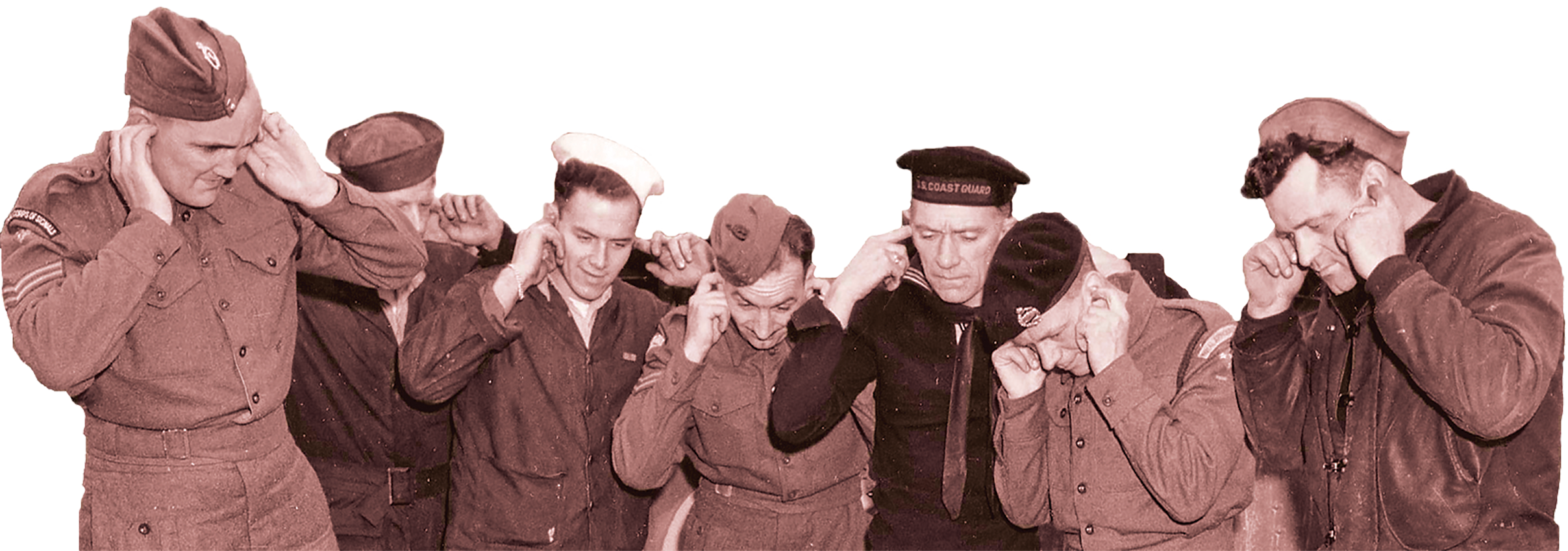
Denial isn’t a single lie. It’s an entire self-sustaining system. Inside that system, ordinary spiritual and relational consequences seem to quietly stop applying. Sin gets sorted into a mental box and forgotten. Silence becomes a way of pretending something never happened. The system survives because it never has to answer to outside scrutiny — and because, from inside it, you can’t tell you’re in it at all.
That last part is what makes denial so much more dangerous than an ordinary bad habit: it operates below the level of conscious awareness. You’re not lying to other people so much as you’ve successfully lied to yourself — and successful self-deception, by definition, doesn’t feel like deception from the inside.
Overcoming this takes more than good intentions
This is why willpower alone rarely breaks denial’s grip. It typically takes something jarring — real exposure, real confrontation, sometimes real consequences — before the walls of the system start to crack. That’s not a flaw in you. It’s simply how deeply entrenched systems of self-deception tend to work, in addiction and in life generally.
The good news: denial can be broken. It just usually takes something — or someone — from outside the system to do it.
Adapted from Pureheart Ministry’s Basic Training! Stage 1: Operation Purity
Copyright ©2023 Timothy Davis
Related reading: “Private Pervert vs. Captain Clean: Which One Are You?”
Read the practical next step: Antidotes to Denial, Parts 1
Pureheart’s Basic Training! curriculum is the process that gets you there — now available on Amazon in ebook, audiobook, and paperback.