An explainer for anyone new to Pureheart’s approach
If you’re new to Pureheart, you’ll notice something different in how we talk about sexual sin right away: we don’t frame it as a character flaw to feel ashamed of. We frame it as a war to be fought and won. Here’s why.
Most approaches to addiction start with the individual’s failure.
Secular recovery models — and honestly, a lot of Christian ones too — tend to center the conversation on personal weakness: what’s wrong with you, why can’t you control yourself, what trauma made you this way. There’s often some truth buried in those questions. But centering the conversation there leaves people stuck in shame instead of moving toward freedom.
Scripture centers the conversation somewhere else entirely: on the enemy.
Ephesians 6:12 says our struggle isn’t “against flesh and blood, but against the rulers, against the authorities, against the powers of this dark world and against the spiritual forces of evil in the heavenly realms.” That’s an entirely different starting point. You’re not just a person with a bad habit. You’re a target in an active spiritual conflict.
That distinction changes what “getting help” looks like.
If the problem is purely a character flaw, the solution is more willpower, more shame, more self-discipline. If the problem is a war, the solution looks completely different: armor, training, a battle plan, and comrades fighting alongside you. Scripture commands believers to “put on the full armor of God” — a command that only makes sense if you’re actually preparing for combat.
It also explains why isolation makes everything worse.
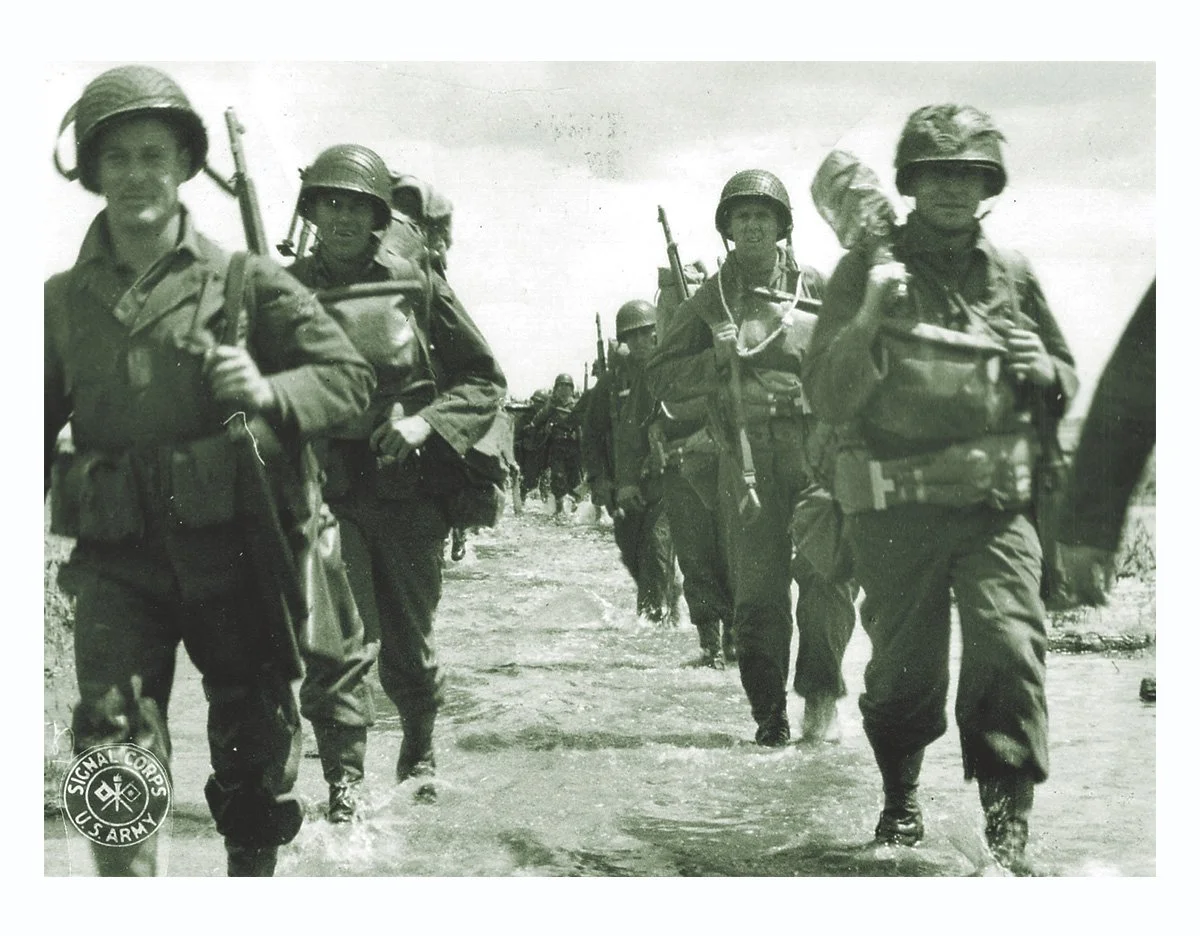
No soldier fights a war alone by design. Yet so many men try to fight sexual sin completely alone, in secret, out of shame. Our curriculum calls men into a “Band of Brothers” — honesty, confession, accountability, and prayer together — because that’s how real wars have always been fought and won.
And it gives your struggle actual dignity instead of just guilt.
Framing this as personal failure leaves you circling the same shame every time you struggle. Framing it as war gives your fight meaning: your victory here doesn’t just change your own life, it echoes into your marriage, your children, your church, and beyond.
This is why the language throughout our curriculum sounds like a call to arms.
Because it is one. You were never meant to face this enemy unarmed, alone, or drowning in shame. You were meant to suit up, stand your ground, and fight — with a real chance of winning.